

Common Law in BC: Understanding Your Legal Rights
Are You Considered Common Law in British Columbia?
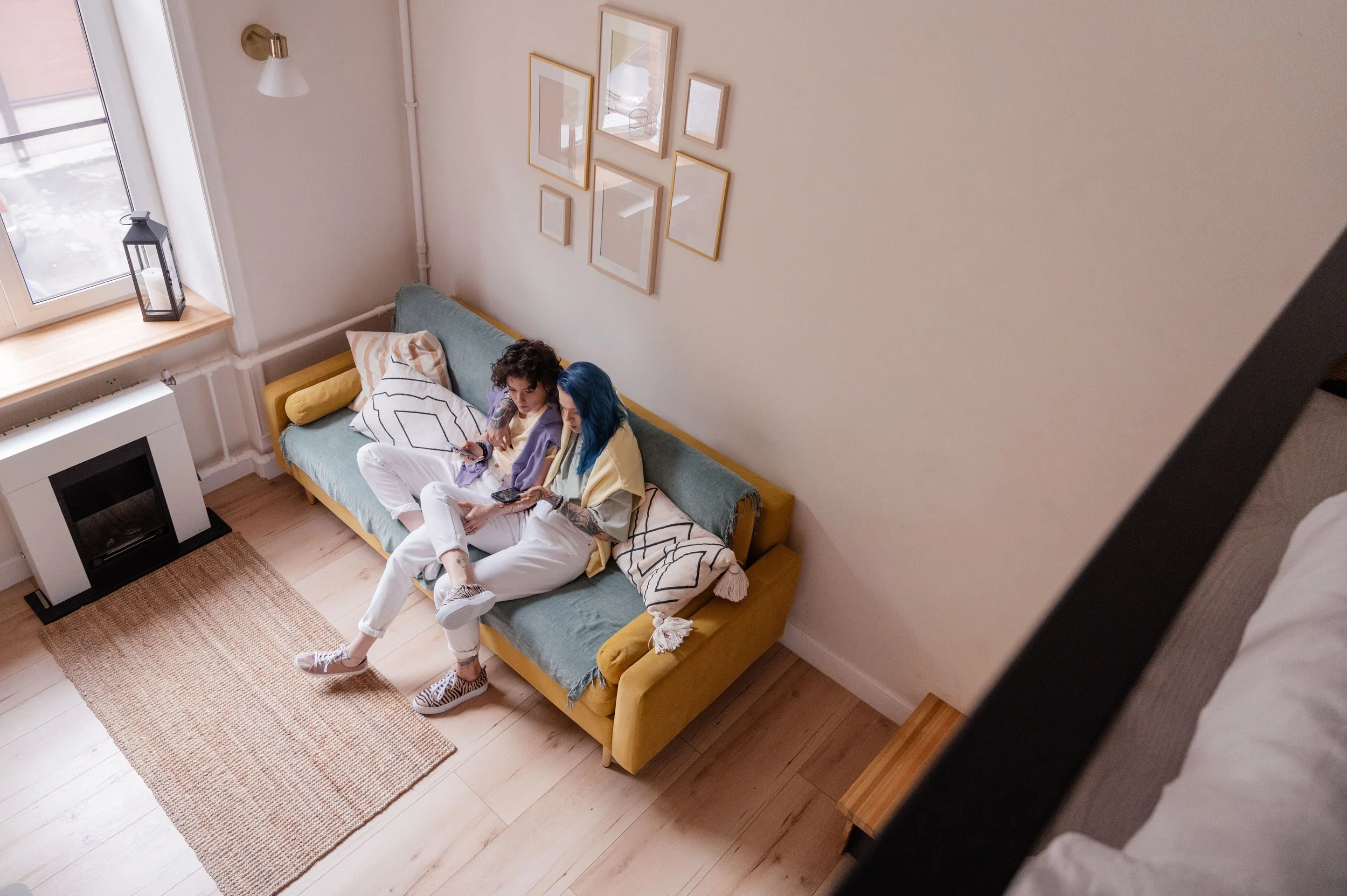
Many couples in British Columbia choose to live together without getting married. While some believe that marriage is necessary to obtain legal rights and protections, this is not necessarily the case.
Under British Columbia family law, unmarried couples who live together in a marriage-like relationship may acquire legal rights and responsibilities similar to those of married spouses.
Understanding when you are considered a common-law spouse is important, particularly when it comes to property division, spousal support and financial obligations if your relationship ends.
At Illuma Family Law, we help individuals understand their rights and responsibilities under BC family law, whether they are married or in a common-law relationship.

How Long Do You Have to Live Together to Be Common Law in BC?
Under section 3 of the BC Family Law Act, an unmarried person is generally considered a spouse if they have lived with another person in a marriage-like relationship for a continuous period of at least two years.
This is commonly referred to as the two-year common-law rule.
There is an important exception. If you have a child together, you may qualify as spouses for certain family law purposes even if you have lived together for less than two years.
However, the exception does not automatically give you property division rights. The two-year requirement generally applies to claims involving family property, family debt and pensions.
What Rights Do Common Law Spouses Have in BC?
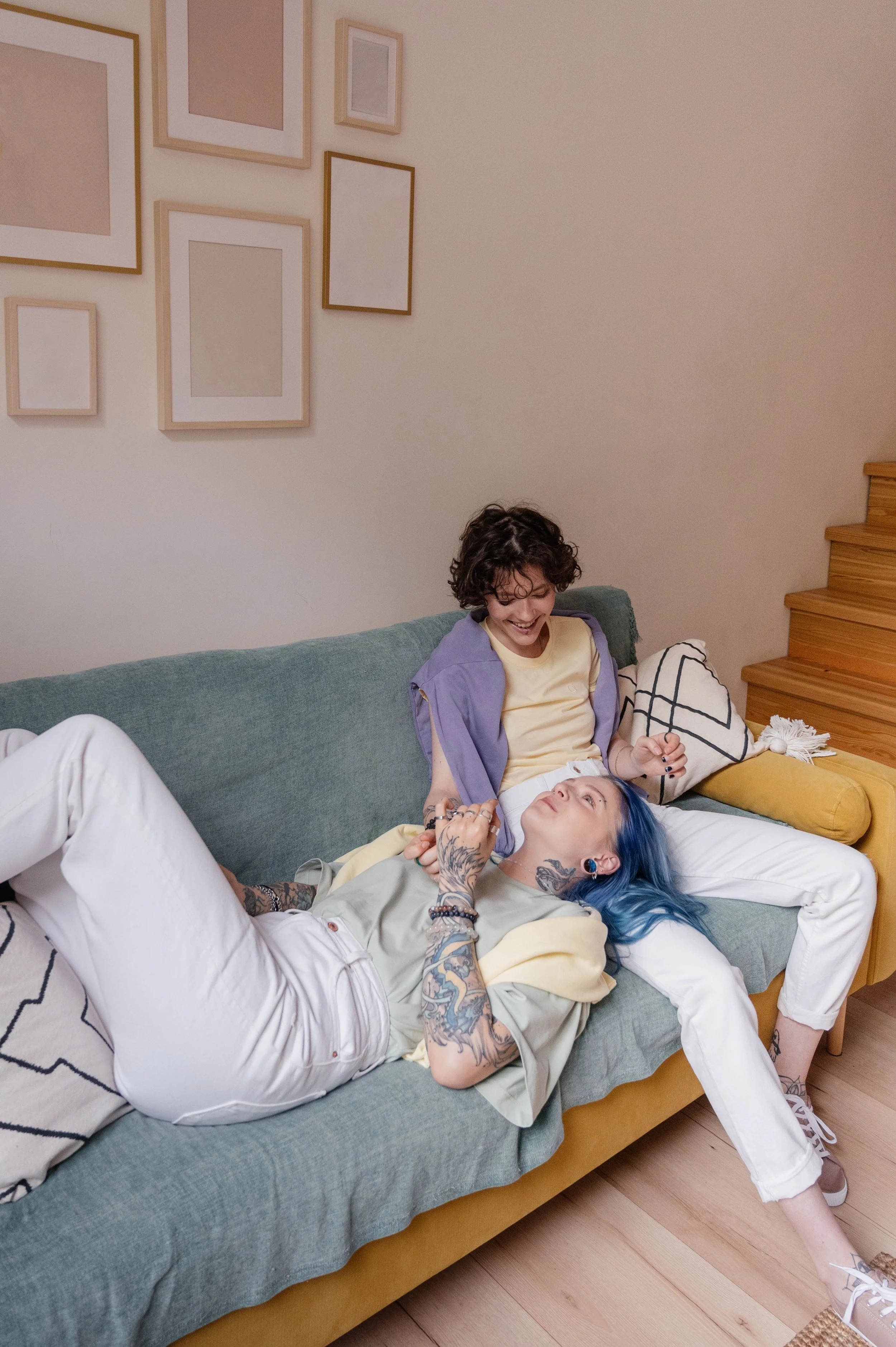
Once you qualify as spouses under the Family Law Act, you may have important legal rights and obligations.
Property Division
After a qualifying two-year marriage-like relationship, the family property and family debt division provisions of the Family Law Act generally apply.
Family property can include real estate, bank accounts, investments, pensions, business interests and other assets.
The fact that an asset is registered in only one person's name does not necessarily mean it is excluded from division.
Spousal Support
A qualifying unmarried spouse may be entitled to seek spousal support following separation.
The court considers factors such as the length of the relationship, the roles adopted during the relationship and the financial circumstances of each person.
Child Support and Parenting
Parents have legal responsibilities toward their children regardless of whether they are married or common-law spouses.
Child support and parenting arrangements are determined based on the applicable legislation and the best interests of the children.
Do Common Law Couples Have the Same Rights as Married Couples?
In many aspects of BC family law, qualifying unmarried spouses are treated similarly to married spouses.
However, there are important differences.
For example, unmarried couples do not need to obtain a divorce to end their relationship. They may also have different limitation periods for bringing property division claims.
A married spouse generally has two years after a divorce order to commence a property division proceeding, whereas an unmarried spouse generally has two years from separation.

What Happens to Property When a Common Law Relationship Ends?
The division of property can become complicated when a common-law relationship ends.
The Family Law Act distinguishes between family property and excluded property.
Generally, family property is subject to equal division, subject to applicable statutory exceptions and agreements. Certain assets owned before the relationship, inheritances and gifts may qualify as excluded property, although increases in value may be treated differently.
It is important to understand your rights before transferring property, refinancing a home or entering into a separation agreement.
Protect Your Rights With Illuma Family Law
Whether you are entering a common-law relationship, separating from your partner or dealing with a property dispute, obtaining legal advice can help you understand your position.
Illuma Family Law provides personalized family law advice to individuals navigating common-law relationships and separation in British Columbia.
If you are considering divorce, contact Illuma Family Law to arrange a consultation with a Vancouver divorce lawyer.